

Hospital + Healthcare RSS Feed Hospital + Healthcare provides the latest news, updates, product developments for professionals in the industry.
- AI-powered thermal imaging tool may predict diabetic foot ulcer healing
 on 19.11.2026 at 13:00
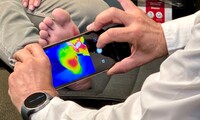
A smartphone-based AI tool called ‘THERMUL’ could, it is believed, potentially reduce hospitalisations and amputations. Using a lightweight thermal camera and informed by a clinical study at Austin Health and St Vincent’s Hospital Melbourne involving 110 patients, researchers took images of the patients’ ulcers when they initially presented to the clinic, with additional images captured two and four weeks later. Clinicians then assessed at 12 weeks whether each ulcer had healed, allowing the research team to compare healing outcomes with the thermal image data collected earlier. The researchers used the data to train the AI model to identify heat patterns associated with ulcers that healed successfully and those that did not. “These patterns may provide an early indication of a wound’s likely healing trajectory, potentially allowing clinicians to identify people who might benefit from earlier intervention or escalation of care,” said Professor Dinesh Kumar from RMIT’s School of Engineering, who led the development of THERMUL with Endocrinologist Professor Elif Ekinci, Head of the University of Melbourne’s Department of Medicine. RMIT’s Professor Dinesh Kumar led the development of THERMUL with Endocrinologist Professor Elif Ekinci, Head of the University of Melbourne’s Department of Medicine. Source: RMIT University “Diabetes-related foot disease places a significant burden on individuals and the Australian health system, costing an estimated $875 million every year,” said Ekinci — who is also Director of the Australian Centre for Accelerating Diabetes Innovations (ACADI). “By enabling earlier identification of ulcers at risk of delayed wound healing, THERMUL has the potential to improve access to timely care and reduce complications.” The prototype was developed using seed funding from ACADI. The research team has also received $490,539 through Australia’s Economic Accelerator program and $50,000 from the University of Melbourne’s Proof of Concept Fund, which will be used to validate the technology across a range of healthcare settings, including metropolitan, regional and remote services, and to further improve the predictive model. Professors Ekinci and Kumar have collaborated for years with each other and industry partners to develop the technology. Source: RMIT University ************************************************** An article on this research has been published open access in Journal of Diabetes Science and Technology and you can read it at doi.org/10.1177/19322968261501979. ************************************************** Top image: The AI tool uses thermal images to predict likelihood of healing. Source: RMIT University
- "Landmark prosecution" results in Australia's first conviction for misuse of the title 'surgeon'
 on 18.11.2026 at 13:00
After pleading guilty in the Parramatta Local Court to one count of using the title ‘surgeon’, a Sydney cosmetic doctor has become the first person to be convicted of falsely claiming to be a surgeon, following what Ahpra calls a “landmark prosecution”. Under Section 115A of the Health Practitioner Regulation National Law 2010, a medical practitioner must not knowingly or recklessly take or use the title ‘surgeon’ unless they hold specialist registration in the recognised specialty of surgery, obstetrics and gynaecology, ophthalmology or another recognised specialty in the medical profession with the word “surgeon” in a specialist title for the specialty. A criminal offence that came into effect on 3 November 2023, misuse of the title ‘surgeon’ is punishable by a maximum fine of $60,000 or three years’ imprisonment, or both. Ahpra identified the doctor in question as illegally using the title of ‘surgeon’, including ‘cosmetic surgeon’, in advertising and promotional materials across multiple platforms, including his business website, LinkedIn, Instagram, TikTok and YouTube accounts. The man continued to describe himself as a ‘cosmetic surgeon’ — including on signs at his premises, in his business logo used on websites and social media, and on scrubs worn by him and his staff — despite being contacted by Ahpra and advised that his use of the title ‘surgeon’ was illegal. Promoting his clinic, videos of the man and his staff wearing the scrubs were posted to various social media accounts. On 18 November, the man was sentenced to an eight-month Community Corrections Order and ordered to pay $12,000 in legal costs. “Medical practitioners are placed in a position of significant trust in the community, and they have the capacity to earn significant amounts of money through their marketing and advertising,” Judge David Price said in sentencing. “They are competing with each other, and it is tempting for them to use a marketing edge to secure more work. Where the regulator identifies misleading marketing or advertising, it is important that there are ramifications for this,” Price added. “The fear they have of being caught must outweigh their drive to take that marketing edge … there is too much potential commercial return.” Ahpra CEO Justin Untersteiner said Ahpra has worked hard over recent years to “clean up the cosmetic surgery industry”. “We regard any misuse of the title of surgeon as a serious breach of trust and the law, and this prosecution demonstrates the consequences for anyone tempted to do the wrong thing,” Untersteiner said. “It’s not legal to call yourself a surgeon if you don’t have specific surgical qualifications,” said Dr Susan O’Dwyer, Chair of the Medical Board of Australia. “Doctors who do not have medical surgical qualifications have a responsibility to know and apply that fact. Honesty and lawfulness are basic qualities that patients have a right to expect of all doctors.” Anyone with concerns about the type of registration of any practitioner can check the online Register of practitioners maintained by Ahpra or call 1300 419 495. Image credit: iStock.com/monkeybusinessimages
- In-home care agency "fake nurse" placed on good behaviour bond
 on 18.11.2026 at 13:00
Ahpra has prosecuted a Queensland woman for falsely claiming she was a registered nurse, under section 116(1) of the Health Practitioner Regulation National Law (National Law). Employed as an unregistered assistant in nursing (AIN) for a nursing agency to provide in-home care, the woman has been placed on a $2500 good behaviour bond with no conviction recorded and also ordered to pay Ahpra’s costs of $1750. Pleading guilty in the Warwick Magistrates’ Court of Queensland on Thursday, 12 November to one count of describing herself as a qualified and practising nurse, while the woman was not required to hold nursing registration for the role, on several occasions she claimed to be a registered nurse in conversations and in correspondence with other healthcare professionals discussing patient care. In an application for a role as a teacher aide, the woman also falsely claimed to be a registered nurse. The woman had started but not completed nursing qualifications and had never been registered as a nurse. Magistrate Janice Crawford said in sentencing the woman, “practitioners are regulated to maintain standards of practice and safety for patients”. Adding that in the age of social media, some people “are prone to exaggerate”, Crawford said they needed to be aware they could be “making a genuine professional mistake”. “People exaggerate their CV regularly when they shouldn’t,” Crawford said. “Nursing is a trusted and skilled profession. People place great confidence in nurses and the Board takes a very dim view of anyone claiming they are a registered nurse when they are not,” said Dr Paula Medway, Chair of the Nursing and Midwifery Board of Australia. “It takes a minimum three years of study to qualify as a registered nurse in Australia, and it is a criminal offence to claim to be a registered nurse if you are not qualified and registered.” Medway urged employers and other healthcare professionals to report matters to Ahpra if they suspect an employee or colleague is misrepresenting their qualifications. Anyone with concerns, including employers, about the validity of a person claiming to be registered or qualified to practise should contact Ahpra. Image credit: iStock.com/Gorkem Yorulmaz
- There are now voluntary assisted dying laws across Australia: what happens next?
 on 17.11.2026 at 13:00
With the Northern Territory Parliament passing voluntary assisted dying (VAD) laws in August 2026, every Australian state and territory has now enacted a legal framework permitting VAD. This reform marks the end of a remarkable period of legislative change. Less than a decade ago, VAD was unlawful throughout Australia. Since Victoria became the first state to legalise VAD in 2017, every jurisdiction has since considered the issue through its own parliamentary process and decided to pass its own law. Australia now has eight different VAD laws. Although they were developed by each state and territory, there is a broad ‘Australian model’. In terms of who is eligible, VAD is available only to adults who have decision-making capacity, are acting voluntarily and who are experiencing suffering from an advanced, progressive and incurable illness, disease or medical condition. Most of these laws also require an expected timeframe to death which is generally six or 12 months depending on the jurisdiction or the nature of the person’s condition. While the precise framing of these eligibility criteria differs between jurisdictions, the aim of these laws is to allow access to VAD for people approaching the end of life who are experiencing intolerable suffering. The process for accessing VAD is also broadly similar nationwide. A person must personally request VAD and be assessed by at least two trained health practitioners to determine whether they meet all eligibility requirements. These assessments are designed to ensure that the person has decision-making capacity, is acting freely and voluntarily, and satisfies the legislative criteria. Requests must follow a formal process prescribed by law, and there are safeguards at each stage to ensure that decisions are informed and carefully considered. Australian VAD systems also have a strong focus on oversight and accountability. Every jurisdiction has established reporting requirements, review processes and independent oversight bodies to monitor how the legislation operates in practice. What does national reform mean? The passing of this final VAD law is significant as from 2028 when the Northern Territory’s law begins, all Australians will have access to this end-of-life choice. This adds focus to national questions about VAD. The most commonly debated one is the ongoing challenge of the Commonwealth Criminal Code prohibition on using a “carriage service”, which includes telephone, email, videoconferencing and other online communications, to counsel or incite “suicide”. A court case has found that this criminal law could apply to VAD. Each Australian jurisdiction has produced guidance for health professionals about what role telehealth can play in VAD practice with different approaches nationally. In practice, this limits what health professionals may discuss with patients about different aspects of the VAD process. This has caused significant barriers to accessing VAD, particularly in rural and regional areas requiring patients or health professionals to travel long distances for assessments or consultations that could have been done online. There have been repeated calls for the Commonwealth to amend this law so it does not apply to VAD, but so far this reform has been resisted. Another area that VAD laws across the nation suggest should be reconsidered is the residency requirements in state and territory VAD laws. Most jurisdictions require a person to have lived in the relevant state or territory for a specified period before becoming eligible for VAD (generally 12 months but some jurisdictions have exceptions). These requirements were often justified when VAD was available only in some parts of Australia and concerns existed about people travelling interstate to access it. But now that VAD will be available nationally, the rationale for local state and territory residency requirements is less clear. Voluntary assisted dying and its place within health care National legalisation is also likely to prompt a broader shift in how VAD is understood within health care. When VAD was an outlier and legal in just one or two states, it was easier for VAD to be seen as different or separate from health care. However, national reform changes that and there is increasing recognition that VAD is part of end-of-life care. In other words, when VAD is seen as part of health care, it prompts consideration of how it fits within existing governance structures, clinical pathways and patient support systems. This includes ensuring clinicians understand referral pathways, patients receive accurate information about all lawful options, and staff have access to appropriate education and support. It now forms part of the legal and clinical landscape that health services, hospitals and aged care providers need to understand and manage. Areas of contention and debate remain A number of significant policy and practice questions remain. One is in relation to health and aged care organisations that do not wish to participate in VAD. There is evidence that if institutions object to VAD or block access to it this can cause harm to people seeking VAD and their families. The Australian Capital Territory, Queensland, New South Wales and South Australia have regulated this issue of institutional participation in their legislation while other jurisdictions rely only on policy guidance. In the aged care setting, greater emphasis on supporting residents’ choice is also likely to shape how institutions approach this issue. Debates will also continue about who should be eligible to access VAD. The Australian model is generally described as having narrow eligibility criteria, but there is active public debate about who should be able to access this choice and when. One of the most significant areas of ongoing discussion is access to VAD for dementia as this is currently not possible under existing Australian law. All Australian VAD laws are required to be reviewed after a defined period of time. These and other questions about nature and scope of Australian VAD laws will no doubt be considered in those review processes. *Distinguished Professor Ben White is Professor of End-of-Life Law and Regulation in the Australian Centre for Health Law Research at the Faculty of Business & Law, Queensland University of Technology. ************************************************** Further resources The Australian Centre for Health Law Research at Queensland University of Technology (QUT) has produced a range of free resources to support understanding of VAD laws: The End of Life Law in Australia website provides up-to-date information on end-of-life law and policy in every Australian jurisdiction, including detailed guidance on VAD: end-of-life.qut.edu.au. End of Life Law for Clinicians (ELLC) is free practical legal training for health professionals about all aspects of end-of-life law, including VAD: ellc.edu.au. The End of Life Directions for Aged Care (ELDAC) Legal Toolkit provides aged care providers with accessible guidance on legal issues that arise in end-of-life decision-making, including VAD: www.eldac.com.au/our-toolkits/end-of-life-law. ************************************************** Top image credit: iStock.com/monkeybusinessimages
- "Lost in complex system" — OPAN report shows aged care advocacy cases up 23.4%
 on 16.11.2026 at 13:00
The Older Persons Advocacy Network (OPAN) has released its sixth annual National Aged Care Advocacy Program (NACAP) Presenting Issues Report. The report, which analyses the 64,787 instances of information and advocacy support delivered by the network’s nine members during the 2025–26 financial year, shows a 23.4% increase on the previous year and covers a significant period of reform to the aged care system, namely the rights-based Aged Care Act 2024 coming into effect on 1 November 2025. OPAN says the report has shown that “[o]lder people are feeling lost in a complex aged care system with demand for advocacy support rising to record levels” — with the Support at Home program and the Single Assessment System being two major reforms identified as the primary drivers of the increase in demand for advocacy support. “Rights on paper are just the first step. Unfortunately, the report has shown us that implementation challenges, in many cases, have limited the intended benefits of these reforms,” OPAN CEO Craig Gear said. “Older people have told us that barriers to accessing services remain, and their struggle to navigate a complex system undermines their rights within the new Act,” Gear added. “Meaningful reform takes time. But we cannot lose sight of the very real human impact on older people who, at times, are dying while waiting for support.” Gear said the significant demand for support has increased by 40% in total over the past two financial years, something which reflects the scale of change underway and the challenges older people face navigating that change. Key themes Two key themes were identified by the report as emerging from the issues raised: 1. A systemic lack of responsibility for supporting older people to navigate the system and access aged care “Older people are feeling lost within the aged care system. Many struggle to navigate multiple services, agencies and processes — often being passed from one service to the next, with no one claiming responsibility for supporting them,” Gear said. “Issues raised about the Integrated Assessment Tool (IAT) are deeply concerning. In particular the removal of human assessor override functions, and reports that the IAT is not adequately capturing older people’s aged care needs or the urgency of those needs.” 2. The implementation of the Support at Home program, which replaced Home Care Packages when the new Act was introduced “Older people are continually raising concerns about rising costs, reduced services and inadequate care management,” Gear said. “Those who transitioned from Home Care Packages are telling advocates they feel worse off, despite assurances that they would be financially protected.” Positive changes OPAN acknowledged include the removal of co-payments for personal care — including showers, dressing and continence management support — and recently announced establishment of an escalation pathway for older people in exceptional circumstances — where there are disputes about decisions made by the aged care Integrated Assessment Tool (IAT), with an independent review into the IAT also having been announced. You can read the full report here. For information or support regarding aged care, please call the Aged Care Advocacy Line on 1800 700 600 or visit opan.org.au. Image credit: iStock.com/Yutthana Gaetgeaw
- "Pointless scans" to diagnose knee osteoarthritis may trigger inappropriate care, the Commission warns
 on 12.11.2026 at 13:00
On 12 November, the Australian Commission on Safety and Quality in Health Care published its ‘Atlas Focus Report: Osteoarthritis of the knee’ national data report, which examines MBS-subsidised knee imaging, hospitalisations for knee arthroscopy and hospitalisations for knee replacement surgery, for people aged 45 years and over. Osteoarthritis of the knee can cause inflammation in knee joints, leading to pain and disability, with around 1.9 million Australians living with it. A common condition, for most people who live with it, the diagnosis can be made with a history and examination and, unless they have severe and persistent pain that is affecting their daily life, knee replacement surgery is avoidable. About knee osteoarthritis (click to enlarge). Source: Australian Commission on Safety and Quality in Health Care A substantial 83% increase in knee CT scans and a 26% increase in knee ultrasounds for people aged 45 years and over, in the five years to 2023–24, is revealed by the data, the Commission said. The Commission also noted that the report “showed an encouraging 50% reduction in knee arthroscopy rates in the 10-year period to 2023–24, in line with guideline recommendations against its use for uncomplicated osteoarthritis of the knee”. Imaging rates and surgical interventions (click to enlarge). Source: Australian Commission on Safety and Quality in Health Care Meanwhile, knee replacement surgery, which should be reserved for people living with persistent severe pain and disability, rose 17% in the past decade. “For people with knee osteoarthritis, effective care starts with a good clinical assessment. A thorough history and examination tell you more than CT scans, ultrasounds, X-rays, MRIs or blood tests,” said Medical Advisor for the Commission and general practitioner Dr Phoebe Holdenson Kimura. “We don’t recommend tests such as CT scans or ultrasounds for knee osteoarthritis as they offer little benefit and there is poor correlation between severity of symptoms and radiology findings. They can also lead to undue concern and inappropriate further tests, specialist referrals and surgery. “Let’s get things right from the outset — current evidence shows that non-surgical interventions should always be first line, and are safe and beneficial. Knee joints are designed to be loaded and are nourished with movement,” Holdenson Kimura said. Dr Phoebe Holdenson Kimura. Source: Australian Commission on Safety and Quality in Health Care The total annual cost of osteoarthritis in Australia is $4.3 billion, with unnecessary or low-value scans and treatments for knee osteoarthritis contributing to this, the Commission said. The Commission also said that more work is needed to change mindsets, as two-thirds of these people do not receive effective care such as education, exercise and weight management. 3 steps to improve care for knee osteoarthritis (click to enlarge). Source: Australian Commission on Safety and Quality in Health Care First released in 2017 to improve care for knee osteoarthritis and to reduce inappropriate interventions, the Commission’s Osteoarthritis of the Knee Clinical Care Standard was updated in 2024, encouraging patients to take control of their health and clinicians to avoid referring for unnecessary scans, surgical intervention or over-reliance on pain relief medicines. “Instead, it urges greater focus on supporting patients with weight management, nutrition, physical activity and exercise,” the Commission said. You can find more information on the report at www.safetyandquality.gov.au/data-and-measurement/australian-atlas-healthcare-variation/atlas-focus-report-osteoarthritis-knee. Top image credit: iStock.com/stefanamer
- "Distressing" accounts of hospital violence — NSW to recruit 129 security staff
 on 12.11.2026 at 13:00
“Violence in our hospitals is unacceptable — accounts of these incidents are distressing and we are determined to clamp down on these occurrences,” said NSW Health Minister Ryan Park on 11 November, confirming that the NSW Government will recruit an additional 129 full-time-equivalent frontline security staff. Part of a $113 million investment, the recruitment will result in full-time security across 27 hospitals across the state, the government said. “We have made significant efforts to improve security at our hospitals over the past three-and-a-half years,” Park also said, with the government advising that since 2023, it has recruited 180 security staff at NSW public hospitals — a 13% increase. “Today, I can announce we are boosting these efforts by recruiting a further cohort of frontline security staff — a first step in an ongoing effort to improve safety — and we will continue to work closely with the HSU,” Park added. Regarding the announcement, NSW HSU (Health Services Union) Secretary Gerard Hayes said: “Emergency departments are the main gateway to patients entering our health system and one of the busiest areas that can lead to incidents of aggression and violence. “This first step is a positive one, but our members need to have more support and the ability to prevent incidents from occurring in the first place.” To support the prevention and management of violence, the government said that NSW Health facilities already have several key strategies in place. These include: early recognition and management of a patient at risk of escalating behaviour; making risk-related information available to all relevant staff, as well as violence-prevention and management education for staff; safety huddles at the commencement of each shift; proactive security staff patrolling; enabling staff to summon assistance; limiting unauthorised access by individuals to clinical areas; and closed circuit television monitoring in high-risk areas. Image credit: iStock.com/Jacob Wackerhausen
- Oral care and the prevention of hospital-acquired pneumonia: new evidence for infection prevention and control practice
 on 12.11.2026 at 13:00
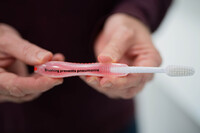
Healthcare-associated infections (HAIs) remain a significant challenge for acute care hospitals, with considerable attention traditionally focused on bloodstream infections, surgical site infections and antimicrobial resistance. Yet one of the most common HAIs receives little attention: non-ventilator hospital acquired pneumonia (NV-HAP).1 NV-HAP occurs in hospitalised patients who are not receiving mechanical ventilation and is associated with substantial increases to patient morbidity, mortality and healthcare costs. In fact, patients who develop NV-HAP may remain in hospital longer (commonly 8–14 days) and are eight times more likely to die during their admission.2 Despite this burden, NV-HAP is infrequently monitored, inconsistently reported and rarely targeted through formal infection prevention programs. Recent findings from The Hospital Acquired Pneumonia PrevENtion (HAPPEN) Trial provide some of the strongest evidence to date that improving oral care can significantly reduce NV-HAP incidence in acute care settings.3 Why oral care matters The oral cavity contains billions of microorganisms. During hospitalisation, oral health deteriorates due to illness, immobility, reduced self-care capacity, medication effects, dehydration and inadequate oral hygiene. These changes can promote bacterial colonisation of the teeth, gums and tongue.4 When oral secretions containing pathogenic bacteria are aspirated into the respiratory tract, pneumonia can develop. This mechanism is well-established and has led many guidelines to recommend oral care as part of pneumonia prevention strategies. However, until recently, high-quality randomised control trial evidence supporting these recommendations in non-ventilated hospital patients was limited.4 Research has consistently shown that oral care is frequently missed or inadequately performed in acute care settings. Common barriers include competing clinical priorities, limited staff knowledge, insufficient resources, lack of documentation and uncertainty regarding responsibility for oral care delivery.5, 6 The HAPPEN Trial The HAPPEN Trial was designed to address these evidence gaps by evaluating whether an enhanced oral care intervention could reduce NV-HAP among hospitalised patients.3 Conducted across three Australian hospitals, the multicentre stepped-wedge cluster randomised trial involved nine in-patient medical wards. Eligible participants were adults admitted to participating wards for at least 48 hours. A total of 8870 patients were included in outcome analyses. It was the biggest trial undertaken to take. Image: Supplied Core components The intervention consisted of three core components: 1. Oral care resources and maintenance Patients admitted to intervention wards received toothbrushes, toothpaste and supporting educational materials. Patients were encouraged to undertake oral care (brushing of teeth, gum and tongue and/or dentures with fluoride toothpaste). Research nurses assisted with oral care where required. 2. Education Patients and healthcare workers received education on the importance of oral care and its role in preventing NV-HAP. They were also provided access to resources, now located on a new website (www.happenstudy.com). This website also offers freely available educational resources, including instructional videos, practical guides, and implementation materials for hospital, clinical staff, infection control staff and patients. 3. Documentation, audit and feedback Documentation of patient oral care was encouraged throughout the intervention. Regular audits of oral care documentation were undertaken, and feedback was provided to support practice improvement. Importantly, the intervention sought to facilitate and strengthen routine oral hygiene practices rather than introduce specialised equipment or advanced technologies. Key findings The primary outcome was NV-HAP incidence, defined using established European Centre for Disease Prevention and Control criteria. Among 8870 analysed patients, 78 cases of NV-HAP were identified. Forty-six cases occurred during the control phase and 32 during the intervention phase. Statistical analysis demonstrated that exposure to the intervention reduced NV-HAP risk by approximately 60%, with a hazard ratio of 0.40 (95% CI 0.19-0.82). The intervention also had a substantial impact on oral care practice. Documented completion of oral care protocols increased from approximately 16% before implementation to 62% following intervention rollout with oral care being undertaken on average twice daily. The findings are clinically significant because they demonstrate that improving oral care behaviour can translate into meaningful reductions in HAIs. Impact on hospital outcomes. Click to enlarge. Image: Supplied Implications for infection prevention programs The HAPPEN Trial has several important implications for infection prevention and control professionals. NV-HAP deserves greater attention While hospitals routinely monitor many HAIs, NV-HAP often remains invisible within surveillance systems. The demonstrated burden of disease suggests that hospitals should consider incorporating NV-HAP into quality improvement and patient safety initiatives. Oral care should be viewed as infection prevention Oral care is frequently regarded as a nursing comfort measure. However, the HAPPEN findings reinforce that oral care is also an infection prevention intervention with measurable clinical outcomes. Hospitals may benefit from reframing oral care as a core patient safety activity rather than an optional aspect of personal hygiene. Implementation matters The HAPPEN intervention was not dependent on expensive technology. Instead, success relied on education, product availability, patient engagement and regular documentation and feedback. The study demonstrates that relatively simple implementation strategies can improve adherence and produce meaningful clinical benefits. Multidisciplinary collaboration is essential Success required collaboration between nursing teams, infection prevention professionals, research educators, hospital administrators and consumers. Sustainable implementation is likely to require similar multidisciplinary partnerships. Three strategies to prevent pneumonia. Click to enlarge. Image: Supplied ************************************************** Practical considerations for healthcare facilities For organisations seeking to strengthen NV-HAP prevention efforts, several practical lessons emerge: Ensure oral care products are readily available. Incorporate oral care into patient admission processes and documentation throughout a patient’s admission. Educate staff about links between oral care and pneumonia prevention. Support patients who require assistance with oral hygiene. Audit oral care delivery and provide regular feedback. Consider oral care compliance as a patient safety indicator. Importantly, oral care interventions are low-cost, scalable and compatible with existing clinical workflows. ************************************************** Looking ahead The HAPPEN Trial provides robust evidence supporting enhanced oral care as an effective strategy for reducing NV-HAP in hospitalised patients. The findings contribute significantly to an area where high-quality evidence has historically been limited. Future work will further explore implementation, patient experiences and cost-effectiveness outcomes. However, the clinical message is already clear: improving oral care can reduce pneumonia risk among hospitalised patients. As healthcare systems continue to seek effective, scalable and cost-conscious approaches to infection prevention, oral care represents an intervention that is simple, practical and supported by strong emerging evidence. In an era increasingly focused on high-tech healthcare solutions, the HAPPEN Trial demonstrates that basic nursing care remains one of the most powerful tools available for improving patient safety. You can learn more about the study at www.happenstudy.com. *Georgia Matterson is a member of the research team on the HAPPEN Trial and Research Assistant at Avondale University. †Professor Brett Mitchell is a Chief Investigator on the HAPPEN Trial and Professor of Health Services Research & Nursing at Avondale University. 1. Munro SC, Baker D, Giuliano KK, et al. Nonventilator hospital-acquired pneumonia: a call to action. Infect Control Hosp Epidemiol. 2021;42(8):991–996. doi: 10.1017/ice.2021.239 2. Chalker MA, Browne K, Russo PL, Mitchell BG. Impact of non-ventilator healthcare-associated pneumonia on mortality and additional length of stay in adults admitted to an acute care hospital: a systematic review. J Hosp Infect. 2026;170:122–138. doi: 10.1016/j.jhin.2026.01.013 3. White NM, Russo PL, Matterson G, et al. Effectiveness of oral care for the prevention of non-ventilator hospital-acquired pneumonia (HAPPEN): a multicentre, stepped-wedge, cluster-randomised trial in Australia. Lancet Infect Dis. 2026;26(10):1022–1030. doi: 10.1016/S1473-3099(26)00235-5 3. Ehrenzeller S, Klompas M. Association between daily toothbrushing and hospital-acquired pneumonia: a systematic review and meta-analysis. JAMA Intern Med. 2024;184(2):131–142. doi: 10.1001/jamainternmed.2023.6638 5. Tehan P, Browne K, Matterson G et al. Oral care practices and hospital-acquired pneumonia prevention: a national survey of Australian nurses. Infection, Disease & Health, 2024;29:212–217. doi: 10.1016/j.idh.2024.04.006 6. Rawson H, Dawson S, Madhuvu A, et al. Nurses’ experiences of providing oral care to hospitalised patients: a qualitative study. Infect Dis Health. 2025;30(4):343–352. doi: 10.1016/j.idh.2025.05.002 Top image: Supplied
- Opinion: Why the role of continuous glucose monitors is expanding rapidly in primary health care
 on 11.11.2026 at 13:00
Australian hospitals and healthcare organisations are adopting digital solutions, including artificial intelligence, at pace to streamline clinical workflows and enable more connected and personalised health care. Continuous glucose monitoring (CGM) is a good example. For people living with type 1 diabetes, CGM is already well established, but as access and awareness expand, its role for people living with type 2 diabetes is also becoming increasingly relevant to primary care. The RACGP’s current guidance1 recommends that CGM be considered for people living with type 2 diabetes using intensive insulin therapy, subject to individual circumstances and available resources. It also recognises the value of CGM in providing greater insight into glycaemic variability and patterns. That creates an important shift for clinicians because CGM is no longer simply a specialist technology that sits within endocrinology. As its use for people living with type 2 diabetes grows, clinical specialists will increasingly discuss where CGM is appropriate, how the data should be interpreted and how this information can inform ongoing healthcare management. From specialist to mainstream care One of the biggest benefits CGM brings to mainstream health care for people living with diabetes is the move from periodic measurement to continuous visibility. HbA1c remains an important measure of longer-term glycaemic control, but it cannot show a clinician what happened between patient appointments. CGM can reveal patterns that may otherwise remain hidden: recurring post-meal rises, overnight changes, periods of hypoglycaemia or the relationship between glucose, physical activity and treatment. For a clinician, the value is not in having hundreds of additional readings to review. It is in being able to identify the information that can change the conversation with a patient. That requires a shift in mindset. The clinical view now needs to focus on what CGM data can reveal about a patient at a deeper level and how their healthcare management should change to improve their overall health outcomes. Primary care needs CGM that works around the patient Bringing CGM into mainstream care also means recognising that technology needs to work for the realities of people’s lives. For example, how quickly a sensor begins providing information matters. Alerts need to be useful rather than simply frequent. Configurable high and low alerts, predictive information and options to manage notifications can help clinicians and patients tailor the CGM to individual needs and avoid unnecessary alarm fatigue. Importantly, data needs to be accessible beyond the patient’s phone. The ability to share glucose information remotely and generate reports showing patterns over time can support clinical conversations. None of these features is the objective in itself. Their value comes from whether they make it easier for a person to use a CGM consistently and for a clinician to turn the resulting information into appropriate action. The opportunity is bigger than glucose monitoring Medical researchers are now increasingly recognising the value of CGM in primary health care. A 2024 umbrella review published in Archives of Public Health, which consolidated findings from 31 systematic reviews, examined the effectiveness of CGM compared with conventional blood glucose monitoring or usual care. Its analysis found an average HbA1c reduction of 0.40 percentage points and a six percentage-point increase in time in range associated with CGM use. The researchers assessed the overall certainty of evidence as moderate, while noting that further research is needed to better understand patient experience and acceptability.2 Studies like this demonstrate how continuous glucose information has the potential to move conversations beyond managing an established diagnosis and towards understanding how everyday behaviours affect metabolic health. The next phase is integration Australia now has an opportunity to take a more holistic approach to CGM. For people living with type 1 diabetes, the evidence demonstrates that CGM can support both glucose management and the lived experience of managing the condition. For people living with type 2 diabetes, an expanding evidence base is demonstrating benefits when CGM is incorporated into primary care. Emerging research is also exploring whether the technology could have a role even earlier, helping people understand metabolic risk. As CGM reaches more people living with diabetes, primary care will have an increasingly important role in making sure the technology is used appropriately, supported effectively and connected to the broader healthcare journey. *Leeane Beasley is Director Commercial Operations at Dexcom Australia. 1. Royal Australian College of General Practitioners. Management of type 2 diabetes: use of technology in type 2 diabetes management. Accessed November 2, 2026. https://www.racgp.org.au/clinical-resources/clinical-guidelines/key-racgp-guidelines/view-all-racgp-guidelines/management-of-type-2-diabetes/use-of-technology-in-type-2-diabetes-management 2. Tan YY, Suan E, Koh GCH, et al. Effectiveness of continuous glucose monitoring in patient management of type 2 diabetes mellitus: an umbrella review of systematic reviews from 2011 to 2024. Arch Public Health. 2024;82:231. doi: 10.1186/s13690-024-01459-2 Top image credit: iStock.com/RgStudio. Stock image used is for illustrative purposes only.
- What the RACGP 6th edition means for cleaning in general practice
 on 10.11.2026 at 13:00
If you manage a medical centre, try tracing one cleaning task from the room schedule to the completion log. Can you tell who was responsible, which method they used and what happened if the task was missed? That simple check can expose gaps between the practice’s infection prevention policy and what happens on site. The Royal Australian College of General Practitioners (RACGP) has published the 6th edition of its Standards for general practices. The Australian Commission on Safety and Quality in Health Care says assessments under the National General Practice Accreditation Scheme still use the 5th edition, with transition arrangements to follow. Facilities managers can use the new guidance now to review cleaning arrangements while maintaining evidence for their next assessment. In a mixed healthcare facility, confirm which services fall under the general practice standards and which follow a different accreditation framework. What the new edition means for cleaning Criterion CG9 covers infection prevention and control (IPC). CG9.A calls for a current written policy tailored to the practice. Its guidance covers environmental cleaning in clinical and non-clinical areas, along with spills, waste and staff responsibilities. CG9.B assigns the IPC coordinator role to a clinical team member. For facilities managers, that gives the cleaning provider a clear point of contact when a routine task involves a clinical risk or needs escalation. Under criterion CG10.A, practices need a cleaning policy aligned with the RACGP’s Infection Prevention and Control Guidelines or another relevant Australian standard. Translate that policy into instructions for each room and surface. A waiting room, a treatment room and a staff kitchen have different patterns of use, and those differences should shape the frequency, products and methods in the schedule. Pay particular attention to the handover between clinical staff and contractors. A contractor may clean consultation room floors after hours, while a practice team member handles an examination couch between patients under the practice’s protocol. The schedule should show who owns each task and who responds if a spill or suspected contamination occurs during opening hours. Five cleaning records to keep 1. Approved policy and risk assessment. Keep the current version, approval date and review date. Identify clinical and non-clinical areas, frequently touched surfaces and tasks that need a different response when contamination is suspected. Record who can approve changes to cleaning methods and when the team should escalate a concern. 2. Room-by-room cleaning schedule. List the area or surface, frequency, method, product, equipment and responsible role. Include both planned work and tasks triggered by use or an incident. Keep the schedule consistent with the contract so cleaners and practice staff see the same division of responsibilities. 3. Completion logs and exception records. Record what was done, when and by whom. If a room was locked or a task was missed, record the reason, who was notified and when the work was completed. For an incident that affects room availability, document the response and who authorised the room to return to use, where required. 4. Product, equipment and training records. Keep a product register with approved uses, dilution where relevant, manufacturer instructions and safety data sheet locations. Record staff induction and refresher training on site procedures, equipment, personal protective equipment and escalation. Match products to the surface and task, including where the risk assessment calls for disinfection. 5. Audit findings and corrective actions. Record the area checked, the method, what the reviewer found and who owns the follow-up. If a check finds the same surface is repeatedly missed, investigate access, timing or unclear instructions. Document the change, then repeat the check to see whether it worked. For teams managing more than one site, use the same record format across practices and keep the schedules local. A central register can show which site has reviewed its policy, where training is due and which audit actions remain open. The local schedule still needs to reflect each site’s hours, room use and access arrangements. Give relief staff access to the current version at the point of work so a change in roster does not turn into a missed task. Test the records against a normal shift Pick one consultation room and follow its cleaning schedule through a full day. Ask clinical staff and cleaners to identify their own tasks, observe a handover and compare what happened with the completion log. A between-patient task may have no clear owner, or a cleaner may be scheduled before the last consultation ends. Either finding gives you something specific to fix. Keep the records somewhere the practice manager and IPC coordinator can access. Review the schedule when rooms, services or patient flow change, and agree with your accrediting agency which edition applies to the next assessment. Read Namoli Healthcare’s full guide to RACGP cleaning and infection prevention evidence.
- Namoli Healthcare Medical Centre Cleaning service
 on 10.11.2026 at 13:00
Namoli Healthcare’s Medical Centre Cleaning service is built for medical centres, GP offices and specialist clinics, with a cleaning plan tailored to each practice’s patient flow and compliance needs. The service covers waiting rooms and reception, consultation and treatment rooms, washrooms and staff areas, with targeted disinfection of high-touch surfaces such as door handles, light switches, counters and payment terminals. Cleaning is scheduled around patient appointments to keep disruption to a minimum. Namoli’s teams are trained in clinical hygiene, cross-contamination prevention, confidentiality and safety. They use TGA-approved, hospital-grade disinfectants and colour-coded equipment, and follow the Australian Guidelines for the Prevention and Control of Infection in Healthcare to support each practice’s own infection control policy. Designed so that results are measured, not assumed, clinical audits combine visual inspections with ATP surface testing and protein swabs, and results are recorded digitally, which is designed to give practice managers clear evidence to track over time and keep the practice audit-ready. For more information and to book a free consultation for your practice: https://www.namolihealthcare.com.au/healthcare-cleaning/medical-centre-cleaning/.
- Smart bedding targets falls risk in aged care
 on 05.11.2026 at 13:00
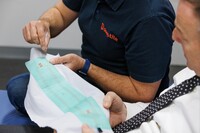
RMIT University researchers and Melbourne-based medtech company Sleeptite have collaborated on a recent study that suggests fabric-embedded pressure sensors can be manufactured using scalable production techniques while maintaining performance and durability — the technology is designed to monitor residents’ wellbeing in healthcare settings and identify falls risk so carers can intervene. The FlexiSense technology, which Sleeptite is developing for use in its REMi in-bed monitoring system, measures bed position and posture via soft, flexible electronics in mattress protectors and is designed to help care staff respond sooner to the risk of falls, with detection of pressure sore risk in development. In October 2026, a US patent was granted, following almost a decade of collaboration led by Sleeptite, working with RMIT and manufacturing partner Sleepeezee Bedding Australia. “Care workers can’t be in every room, every minute of the night. This technology gives them an extra set of eyes, without putting a camera in the room,” Sleeptite founder and CEO Cameron van den Dungen said. “It helps carers spot risks earlier, so they can step in before a fall happens, and it gives the people in their care, and their families, real peace of mind.” Designed to allow residents to be monitored non-invasively without changing their daily routines, and unlike camera-based monitoring systems or wearable devices, FlexiSense is built directly into mattress protectors. Detecting changes in applied force through the material’s piezoresistive qualities, the sensors are fabricated using silver and carbon ink on flexible polyurethane sheets. “The sensors can be used across a wide range of mattress types, making the technology easier and more affordable to adopt,” said sensors designer Distinguished Professor Madhu Bhaskaran from RMIT University. “Through rigorous testing under the rollator machine, our ready-to-manufacture sensors have demonstrated durability, sensitivity and robustness, accurately detecting body motion with minimal power consumption.” Professor Madhu Bhaskaran holding one of the flexible sensors invented at RMIT. Image: Supplied A paper on the sensors was published open access in Flexible and Printed Electronics and you can read it at doi.org/10.1088/2058-8585/ae8e8c. Top image: The flexible sensors in bedding. Image: Supplied
- Opinion: Beyond connectivity — making health data meaningful across systems
 on 04.11.2026 at 13:00
Information is moving between systems, but workflows remain fragmented. Clinicians are still having to search across systems, interpret long PDFs, rekey information captured elsewhere and question whether information can be trusted. This is the paradox at the centre of digital health today: we are more connected than ever, but still not coordinated. The challenge is no longer whether information can move, but whether it is surfaced at the right time, with enough meaning, context and trust to support care. Moving information is only the first step For years, interoperability centred on establishing connections: could a discharge summary reach general practice or a residential aged care facility, or a diagnostic report be uploaded and retrieved? Those capabilities remain important, but simply moving information does not guarantee it will be useful. For information to support the next step in care, its meaning, context and provenance must travel with it. The receiving system and clinician need to understand what the information means, the circumstances in which it was captured, where it came from and how current it is. That is why the next chapter of interoperability cannot simply be measured by the number of connections we have built. It must be measured by whether those connections make care safer, faster and more coordinated. What happens when people become the integration layer Those gaps are tangible in everyday workflows. A clinician building a current view of a person’s care may need to reconcile medication histories, discharge summaries, pathology results and specialist letters before confidently making a care decision. In effect, people can become the integration layer between systems. For technology decision-makers, this is an important test of interoperability. If people still need to manually transfer or reconcile information between systems, the workflow remains fragmented. Over time, both fragmented information and workflows make continuity of care more difficult to maintain and create additional work for both clinicians and patients. A coordinated care experience should do the opposite: reduce the work on both sides, give clinicians and care providers confidence in their data and help all of us feel more understood when receiving care. ************************************************** What this looks like in practice eRequesting Consider one of health care’s most routine transactions: a pathology request. This workflow still largely relies on highly manual processes such as printing PDFs and rekeying information. Structured eRequesting creates a coordinated flow. A request is created once from information already in the clinician’s system and moves as usable, structured data. This supports an automated end-to-end process in which information flows both ways, results are matched to the original request and fewer steps require manual intervention. It sounds simple, and that is exactly the point. Some of the most valuable interoperability does not look like a major technology disruptor. It looks like an everyday process, becoming easier. Supporting residents through earlier recognition of deterioration Now, let’s take the same pattern into residential aged care. A resident’s daily observations, notes and medications are recorded consistently inside the facility, but deterioration in older people often builds quietly over days. In most cases, the facility’s systems already hold enough data to signal that a resident is deteriorating — but that data isn’t in one place, and there simply isn’t the time for staff to review each resident, every day, to identify these emerging patterns. A consolidated, dynamic view of those observations, notes and medications could help care teams see changes in a resident’s condition earlier, prompting review and supporting earlier intervention before the resident’s condition deteriorates further. ************************************************** Building the foundation for what comes next Health care needs standards-based, FHIR-native infrastructure so that clinical information retains its meaning as it moves. It must work with existing systems and embed governance, consent, provenance and audit in the information itself. This may be less glamorous than the technologies attracting attention, but it’s critical to making clinical information both safe and useful. Many organisations are exploring how AI can support care through ambient documentation, clinical summaries, decision support and new models of care. But advanced technology cannot compensate for incomplete clinical data; it scales its weaknesses. Outputs built on fragmented records, missing histories or unverified information inherit those flaws, only faster and with unearned confidence. Quality data and strong, standards-based interoperability foundations help ensure these emerging technologies can deliver meaningful, usable information at the point of care, and the ability to scale across other workflows. The next interoperability solve: context, meaning and coordinated care The opportunity now is to reframe interoperability from the connection itself to the value of information when it arrives. Does it remove the need to search, reconcile and reconstruct what has already happened? Is the information presented at the right time? Ultimately, does it reduce the work required to enable coordinated care? That is interoperability’s real value — and its original promise. *Jennifer Beer is Product Executive at Telstra Health. Top image credit: iStock.com/Noko LTD
- Calvary confirms some services across two hospitals "will not be offered"
 on 04.11.2026 at 13:00
In the context of its proposed acquisition of Newcastle Private Hospital and Hunter Valley Private Hospital, on 5 November, Calvary Health Care confirmed that “some services currently available at the two hospitals will not be offered by Calvary”. “These include in vitro fertilisation (IVF) and other assisted reproductive technologies, voluntary assisted dying (while complying with all relevant legislative obligations), elective terminations of pregnancy, and gender reassignment procedures,” Calvary said in a statement. “Sterilisation and contraceptive procedures are not offered where fertility prevention is their sole purpose. Where Calvary is unable to offer a particular service, admitted patients will continue to receive all other care and support.” Saying that the acquisitions will provide greater stability for the hospitals, their employees and the communities they serve, Calvary said: “We expect most services to continue. As a Catholic healthcare organisation, Calvary’s approach to care is guided by the Code of Ethical Standards for Catholic Health and Aged Care Services in Australia.” In the same statement, Calvary acknowledged “concerns and uncertainty” within the community regarding the proposed acquisition, adding that it is “aware this has created questions for patients, clinicians, staff and the broader community”. “We recognise that changes to some services will have implications for clinicians and the patients they care for,” Calvary Health Care CEO Damien Bruce said. “We are having active discussions with local clinicians to understand those impacts and are committed to working with relevant healthcare providers to explore appropriate pathways for patients.” Image credit: iStock.com/blackdovfx
- Winning healthcare equipment tenders: why having the best product is no longer enough
 on 03.11.2026 at 13:00
Supplying equipment to Australia’s healthcare and aged care sectors can be a significant opportunity for small, medium and large equipment supply businesses across Australia. Hospitals, aged care facilities and government health departments regularly purchase everything from medical equipment and hospital beds to mobility aids, furniture and specialised technology. Factors such as local economic contribution, environmental sustainability, installation processes and staff training can all influence the outcome of a tender even when they have limited real impact on the performance of the product. For Australian businesses bidding for government contracts, this can mean having an excellent product at a competitive price is not enough to win a contract — especially a government contract. Understanding these additional requirements, and developing practical ways to address them, can make a significant difference when competing for healthcare and aged care contracts to local government, state government, the federal government and sometimes the private sector. 1. Local content: demonstrating your contribution to the community One challenge facing equipment suppliers is meeting local content requirements. Many Australian government procurement processes encourage suppliers to demonstrate how their contracts will benefit the local economy. Depending on the state, territory and particular procurement policy, this might involve local employment (for example, for installing hospital beds), purchasing general supplies from local businesses or establishing a presence in the region (such as a warehouse presence for distribution). This can be particularly challenging for businesses bidding for contracts outside their home state. For example, a medical equipment supplier based in New South Wales might be bidding to supply hospital beds to a healthcare network in Victoria. Although the supplier may offer an excellent product, competing against businesses with an established Victorian presence can be difficult as they will often score better for local content given their Victorian presence. There are practical ways to address this. Suppliers can consider establishing a local office, engaging local installation and maintenance contractors, or partnering with businesses already operating in the region. Another approach is transferring knowledge and technical expertise to local workers. This could involve training local technicians to install, service and maintain equipment, creating ongoing benefits beyond the initial supply contract. When writing the bid or tender, businesses need to explain these commitments clearly in their tender responses. Rather than simply stating that they support local businesses, suppliers should identify the specific activities they intend to undertake, the businesses they plan to engage and the benefits their approach will deliver. 2. Environmental sustainability: small weightings can make a big difference Environmental sustainability is another area that suppliers sometimes underestimate. In some state government tenders, environmental criteria may account for only 5% of the overall evaluation. While this might appear relatively insignificant, that small percentage can become the deciding factor when two suppliers offer similar products at comparable prices. For healthcare equipment suppliers, environmental considerations can include packaging, waste management, recycling, transport emissions, product durability and responsible disposal. A common challenge is that smaller suppliers may not hold formal environmental certifications such as ISO 14001. However, not having certification does not necessarily mean a business lacks effective environmental practices. Many suppliers already have robust procedures for reducing waste, recycling packaging, managing materials and limiting their environmental impact. The problem is that these practices are not always formally documented. One practical solution is to develop an environmental management policy and supporting procedures that reflect the relevant principles of ISO 14001. Suppliers should clearly describe their existing environmental initiatives and provide evidence of how these are implemented. For businesses planning to compete regularly for larger government contracts, pursuing formal certification may also be worthwhile. Even where certification is not mandatory, demonstrating that the business has commenced a structured certification process can help communicate a commitment to continuous improvement. A letter from an ISO certifier confirming an engagement provides further credibility to your bid. Environmental sustainability should not be treated as an afterthought — equipment supply tenders are highly competitive, and it has an impact on the result and overall weighting criteria. 3. Installation, training and communication: thinking beyond delivery Another challenge facing health and aged care equipment suppliers is demonstrating how their products will be successfully introduced into a health and aged care environment. Consider a business supplying adjustable beds to an aged care facility. The beds might be exceptionally well designed, competitively priced and compliant with all relevant technical requirements. However, the purchasing organisation also needs confidence that staff will understand how to operate them safely and that residents will receive appropriate support. This is where installation, training and communication become important and a tailored approach needs to be taken. Australia’s healthcare and aged care workforce is culturally and linguistically diverse. Staff, residents and patients may speak different languages or have varying levels of familiarity with specialised equipment. Suppliers can differentiate themselves by providing clear operating instructions, visual guides, training videos and translated materials in languages relevant to the facility. For example, a supplier might offer multilingual instructions explaining how to adjust a bed, operate its safety features or identify when maintenance is required. Training sessions can also be tailored to different users, including nurses, carers, maintenance personnel and facility managers. Beyond installation, suppliers should consider how they will manage ongoing communication, technical support, spare parts and equipment servicing. These measures demonstrate that the supplier understands the practical challenges facing health and aged care providers and provides businesses the opportunity to tailor their bids to the client. Rather than simply delivering equipment, the business is offering a complete solution that supports staff, patients and residents. 4. Looking beyond the product The common theme across these challenges is that tendering involves much more than demonstrating product quality. Healthcare organisations are not simply purchasing equipment. They are assessing the overall capability, reliability and suitability of the businesses supplying it. They want confidence that suppliers can meet contractual obligations, contribute to broader procurement objectives and support the people who will ultimately use their products. For businesses, this requires preparation well before a tender is released. Developing environmental policies, building relationships with local suppliers and preparing comprehensive training materials can all strengthen future submissions. It is also important to carefully review each tender’s evaluation criteria, mandatory requirements and supporting documentation. A strong response should directly address what the buyer is asking for, supported by specific examples and evidence rather than general statements. *Jason Cooney is Director of The Tender Team. Top image credit: iStock.com/Halfpoint